

How to Choose Diwa Rummy Tables & Formats
Enter one points, deals, or pool-style table you already understand. Leave the rest of Diwa Rummy shut.

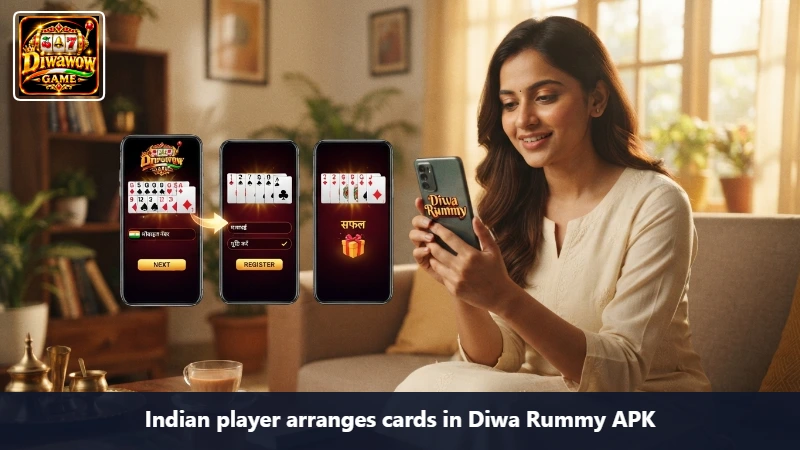

Pick the seat while you are still outside
Diwa Rummy will list more tables than a short visit needs. Choose one before the app is in front of you: the format whose high-level rules you can explain in a sentence—points scoring, a fixed number of deals, or a pool-style drop structure—and whose stake you have already capped. If the sentence will not come, do not use the lobby as a catalogue. Catalogue browsing is play with the decision postponed.
A bright tile is not a kinder table. Position on a screen is layout, not quality, and not a due declaration.
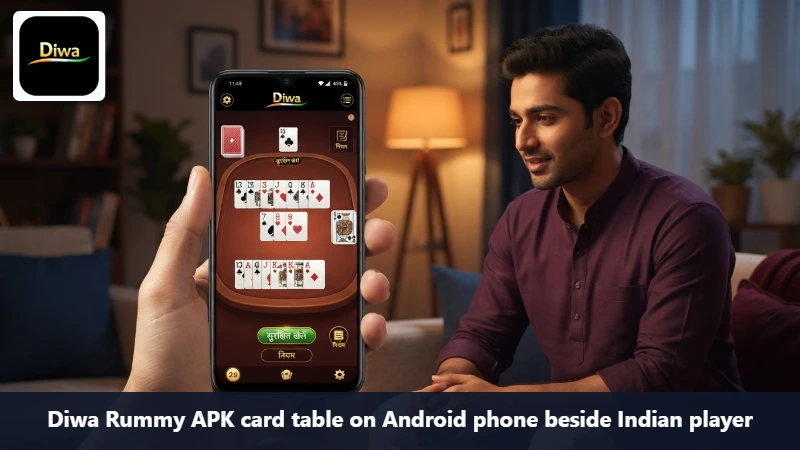

Read that format until the stake is obvious
Find the amount, how a hand starts, and when a result is final. If any of those is hidden by motion, back out. A table you do not understand is not a table this guide wants you to learn with money.
Count how fast hands finish. A quick points table can spend a limit before the clock you set has moved much. Lower the cash cap or leave. Do not turn on an automatic run if the point of the visit was a short, deliberate look at one format.

One table, then out
When the count ends, leave even if the last hand felt close. Closeness is display. It is not a debt. Do not open a second format to balance the first. The bonus guide does not require a tour of every seat.
If the table freezes, return once to the lobby and stop. Repair is not today’s hand.
One table, chosen before it is pretty
Diwa Rummy will offer more tables than a short visit needs. Choose one before the app is in front of you: the format whose stake and ending you can say in a single spoken sentence—points scoring, a fixed deals count, or a pool-style drop idea at a high level. If the sentence needs a second try, you do not understand it yet. Do not pay for the second try. Back out, or do not enter. The guide would rather you exit than learn with money.
A bright tile is not a kinder seat. Screen position is layout. Richer art is not a due declaration. Choosing early matters because the list is built to suggest a tour, and a tour with stakes is spending. You can be curious on this page for nothing. Curiosity inside a live table is priced.
If you cannot pick, leave the guide and leave the lobby closed. Forcing a choice in order to feel decisive is how people land in the fastest points table by accident. Accident is not a strategy the page will rename as instinct.
Say the table out loud
The spoken sentence should include the stake, the moment the hand locks, and the way you will leave. Practice it before you unlock the phone. If you cannot say it without looking at the animation, you are not ready to fund it. Looking is allowed. Funding the look is the step this guide keeps delaying until the sentence is easy.
Write the sentence beside the clock. When either the clock or the sentence is finished, the visit is finished, even if other formats remain unseen. Unseen is not a loss. It is the shape of a limit. People treat unseen tables as unfinished business. They are not business.
If a table suspends while you are deciding, wait. A suspended market is not a prompt to tap again. The price you saw may be gone. Returning to the same row after a delay is a new decision, and it needs the same spoken sentence as the first one.
Pace is part of the price at the rail
Count how fast hands finish. A quick points table can spend a ceiling before the clock has moved much. Lower the cash cap or leave. Do not turn on a run that continues without you if the point of the visit was a deliberate look. Unattended play abandons the sentence you practised.
A slower deals structure is not automatically kinder. Fewer finals can still be large. Do the multiplication of stake and likely hands on paper. If the product breaks the ceiling, the table does not fit today. Fitting is about the product, not about whether the tile sat in the top row.
Motion that hides the stake, the start, or the final is a reason to back out. You are allowed to stare without paying. Staring is not a commitment the guide will upgrade. If the rules need another reading, use the explanation, not a paid experiment on the felt.
Stay in the seat you named
Switching because the first table feels slow is a second visit glued to the first. The slow feeling may be the pace that fits the clock. Boredom is a clean signal to end, not a defect to repair by intensity. Intensity is how ceilings disappear.
Near declarations are display. They are common because something on screen has to change. They do not schedule the next result. When you start explaining a near miss as a sign, the signal is about where your mind went. Stand up. The table will still exist later, and it will not have become more predictable because you chased it.
If the connection stalls, leave the screen alone. See whether the action landed, then quit. Mending can wait. Tonight’s job is the limit. A frozen table is a poor moment to decide the ceiling was too small.
The other doors stay shut
When the clock ends, leave even if the last hand felt close. Closeness is not a debt. Do not open a second format to balance the first. The bonus guide does not require a tour, and a card is not a reason to sample every seat.
At the end, you should remember one table. If the memory is a tour, the plan failed. This site will not fine you for that. The next visit, if there is one, starts with a blank sentence rather than with the formats you meant to resist. Do not “correct” the slip by playing more. Correcting, now, means stopping.
The list can stay unfinished. Unfinished is the success condition of this guide. You do not owe Diwa Rummy a sample. A sample is another visit disguised as research, and research that spends the ceiling is not research.
Keeping the choice dull on purpose
An uneventful visit is the shape the guide will praise: one table, a ceiling that still matches the paper, a clock that was obeyed. Excitement is a bad measure. The artwork will be more excited than your plan. Believe the plan.
Say the table’s sentence again when you mean to stop. People skip the second saying and stop only when the fun fades, which may be later than the clock. Enjoyment does not end the visit. The clock does. If they disagree, you already chose the winner while the seat was still imaginary.
While you are in a hand, leave the bonus and install pages alone. Checking them mid-deal turns one seat into a project with too many jobs. Diwa Rummy can survive messy projects; your ceiling may not. After you stand up, do not reopen the table to rewatch a near declaration. Put the phone down. The lobby list will not become kinder by morning. If you only remember colour and noise, your spoken plan was too weak. Next visit—if there is one—make the plan stronger until colour is optional. A story without stake and exit is a story the art told for you. Take the story back. This guide is done when your plan, not the table sound, is what you recall at the door.
High-level formats, one funded seat
Points, deals, and pool-style ideas are enough vocabulary for choosing a single table. You do not need a full house manual to refuse a seat you cannot explain. Explanation first, funding second. Funding first is how catalogues become spending.
Write one format word on paper before unlock. If you write two, cross one out. The games guide is allowed to be that small. Small choices survive contact with bright tiles better than long theories you cannot act on.
When the visit ends, the word on paper should still match the only table you remember. Tour memory means the method slipped. The next visit, if any, starts with a blank word—not with the seats you meant to resist.
Seat choice that stays dull on purpose
Name the stake, the lock moment, and the exit path out loud before the lobby appears. If you need on-screen motion to complete that naming, funding is premature. Watching costs nothing. Paying for the watch is the step this guide postpones.
Count how fast hands finish. Quick points seats can empty a ceiling while the clock barely moves. Slower deals seats can still be large. Multiply on paper. Motion that hides stake or final is a reason to back out.
Stay in the seat you named. Switching because the first felt slow glues a second visit to the first. Boredom is a stop signal, not a defect to repair with intensity. Near declarations are display. Display is not a schedule.
When the clock ends, leave even if the last hand felt close. Do not open a second format to balance the first. Unfinished lists are success. You do not owe Diwa Rummy a sample. Samples that spend the ceiling are not research. Believe the plan over the artwork. Repeat the seat sentence when you mean to stop. Enjoyment does not end the visit; the clock does.
Refuse the catalogue habit
Catalogue browsing with a stake attached is spending with a research costume. This Diwa Rummy games guide refuses the costume. One format word, one seat, one exit. The rest of the list can stay unread forever without costing a streak—there is none.
Practice the seat sentence twice: once before unlock, once when you mean to stop. People skip the second saying and wait until amusement fades, which may arrive after the clock. Amusement does not end the visit. The clock does.
If the connection freezes, leave the screen alone, learn whether the action landed, then quit. Repair is not tonight’s hand. Frozen tables are bad moments to decide the ceiling was too small.
Dull visits are the shape this guide praises. Thrill is a weak scoreboard. Artwork will outshine your plan. Trust the plan. Shut other doors when the named seat closes.
Points, deals, and pool-style ideas remain high-level labels for choosing—not invitations to sample all three in one hour. Sampling is a second visit glued to the first. Glue dissolves ceilings.
One seat is a full visit
Adults sometimes treat Diwa Rummy like a buffet that must be sampled. This guide treats one understood seat as a full visit. Points, deals, or pool-style play—pick one high-level label you can explain, fund only that, then leave. Buffets with stakes are just spending.
Write the label, the stake, and the exit on paper. When the clock or the paper finishes, the visit finishes. Near declarations do not extend either. Closeness is display. Display is not a debt the next seat must repay.
Paper labels beat bright tiles
Before unlock, the paper label is the authority. After unlock, tiles will argue. Believe the paper. If the label said points, do not “just try” a deals seat because it looked quieter. Quieter is not cheaper. Arithmetic decides cheaper.
When you stop, say the label again. People forget the second saying and chase one more hand. One more hand is how clocks die. Leave while the plan still matches memory.
One format word on paper
Before Diwa Rummy opens, write a single format word: points, deals, or pool. If you write two, cross one out. The games guide is allowed to be that small. A long explanation you cannot act on is weaker than one choice you keep.
The bonus card does not get a word on that note unless you already finished the bonus guide and still have time. Most visits should not try to finish both jobs at the same table list.
At the end, the word you wrote should still be the only format you can remember funding. If you remember a tour, the method slipped. There is no penalty on this site.
There is only the next visit, which starts again with a blank note rather than with the seats you meant to resist. Tomorrow can have a different answer. Today does not have to finish the lobby.
Cross out a second format word if your hand wrote two. The games guide succeeds when one seat was named and closed, and the others never received a stake. Unfinished lists are the point.
Multiply stake by likely hands on paper before a points seat. Fast seats empty ceilings while clocks barely move. Multiplication is part of choosing, not an afterthought after a loss.
End the visit when the paper label and the clock agree, even if the last hand felt unfinished. Unfinished is a felt sensation, not a debt. Cross the lobby off for tonight.
Questions
No. Screen order is not a result.
No. One table is a full visit.
Not necessarily. Count hands against your cash limit.
No. It only asks you to understand one stake and then stop.
Shut the other doors
The games guide ends when that single table is closed. Diwa Rummy can keep the other formats for a later day you may never book.
18+ Safety Notice
Choosing a Diwa Rummy table is for adults 18 and older. The table can take the stake. This page does not know the outcome.