

About Diwa Rummy – Tables, Rules & Accounts
Independent notes on how this desk explains Diwa Rummy tables, high-level rules, and account boundaries—without acting as support.

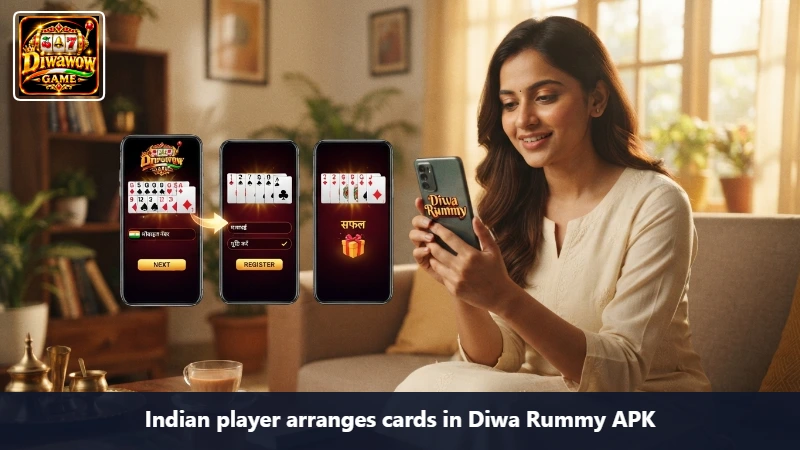


A desk that stays beside the felt, not under it
This desk explains Diwa Rummy to adults in India who want tables, rules, and account habits described before a file, a credit, or a stake. It is not the operator, not a wallet, and not a payment company. We cannot see your profile, and we will not ask to.
The work is editorial. Is the sentence plain? Does each page keep one job? Does the homepage stay an introduction to the table rather than a manual for every seat? Those are the questions we ask. We do not ask which hand is due, because that question has no honest answer on a website.

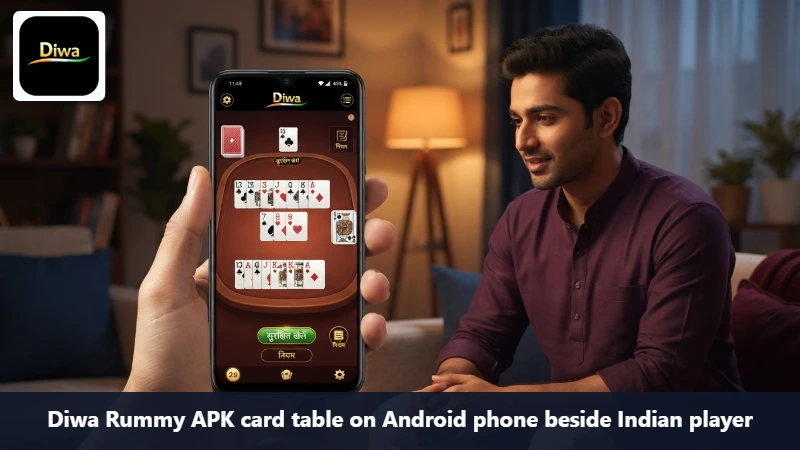
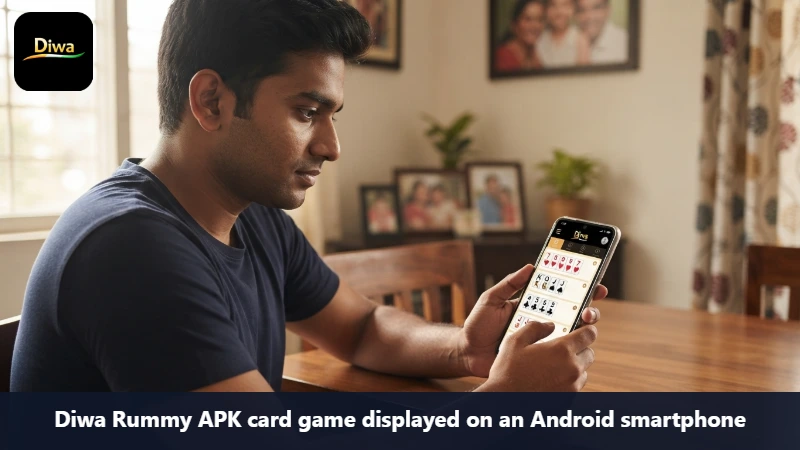
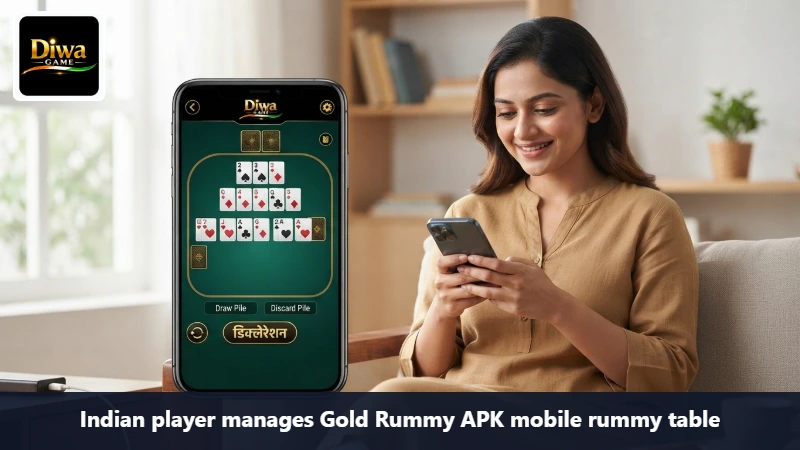
Refusals that belong on the about page
No prediction, no private tip, no modified package, no second profile suggested as a fresh start after a quiet card. No password field, no one-time code, no UPI PIN. If a page wearing this name requests those, you have left the desk.
Send a correction only as a public quote plus a date. Strip every identifier. We will not remote-control a handset to verify a paragraph about points rummy or pool drop rules.

Lanes for tables, rules, and accounts
Homepage: the product as a guide. About: this desk. Disclaimer: age, law, and risk. Posts: claim, install, choose a table. The homepage does not print a fixed rupee welcome, because inventing one would turn a rules desk into an offer. If Diwa Rummy shows a figure after sign-in, that is the app speaking.
A button may be a referral to a verified file. It still does not make these sentences the app’s terms, and it does not make this desk official support for stuck withdrawals or disputed declarations.
What a table-rules desk actually is
This desk writes English notes for adults in India who meet Diwa Rummy and want tables, rules, and accounts explained before they tap. It does not run the lobby, store a balance, or speak as official support. Independence is the point of a desk instead of a cashier. When these pages say we, they mean the people who draft the homepage and the three guides. They can see public sentences. They cannot see your profile, your UPI name, or last night’s declaration.
Judge independence by refusals you can check. The desk will not predict a hand. It will not print a fixed welcome amount. It will not ask for a password, a one-time code, or a UPI PIN. It will not remote-control a phone to “check” an install. If a future paragraph starts doing those things, treat the page as broken until the public wording looks like itself again.
Urgency is another refusal. A mismatch between a guide and a live button can wait until you are calm. Anyone who says help depends on a code read aloud is using the brand as pressure. The about page has no clerk who can receive that code. Close the chat before you look at a table again.
Tables, rules, and accounts as separate lanes
The homepage introduces the product. This page names the desk. The disclaimer holds age, law, and risk. The bonus note reads a card if one exists—live in-app terms only. The install note handles one APK. The games note stays inside one format. When a paragraph starts a second job, it is drifting. Drifting is how a reader installs from an about page or treats a disclaimer as a coupon.
High-level rules talk is allowed here: points scoring, a fixed number of deals, pool-style drop ideas, the idea of a discard and a declaration. Detailed house text that only appears after login stays in the app. We will not invent a house rule to sound complete. Incomplete public notes are safer than confident fiction.
Buttons may open a verified destination for the file. That destination does not hire the desk. Account terms are the ones inside Diwa Rummy on the day you accept them. This page can only confess it stands apart from those terms. It cannot cancel a clause, and it cannot explain text that only exists after you log in.
What you may send, and what stays on the phone
A useful note quotes a heading and a day. That is enough for a public correction. A balance, a profile photo, and a payment name are not corrections. They are secrets the desk asked you, in advance, not to attach. The desk can edit a sentence. It cannot release a withdrawal, replay a hand, or verify who you are.
Keep the note brief enough that a passer-by would learn nothing personal. If the note turns into the story of a loss at the table, stop typing. Put the story somewhere private. About Us is not a diary and not the operator’s complaint desk. Mixing those jobs is how codes and screenshots end up in the wrong inbox.
You may also say a paragraph about points or deals is simply unclear. Unclear is a good correction. You do not have to propose the replacement sentence. Leave out the one-time code a stranger told you to include so the desk could “see the issue.” The issue, if it is public, is visible without that code.
Accounts the desk will never touch
We cannot reset a password, merge profiles, or mark a declaration as disputed. We cannot see whether a bonus line appeared on your screen. Asking us to do those jobs only creates a second copy of private material. Use the path inside the app after you have checked the name on the profile.
A second profile opened because the first felt unlucky is a refusal we repeat. One adult, one name, one rail. The about page will not dress a second registration as research. Research that needs a new identity is not research; it is a workaround the desk will not endorse.
If a friend asks you to explain the desk, say it writes table notes and does not hold money. If they want a figure, send them to the app rather than to your memory. Your memory is not a source the about page will underwrite.
Who these notes can actually help
The reader who gets something from these notes is an adult who wants Diwa Rummy explained before spending time or money. They can lock a phone. They can leave a paragraph unfinished. They do not need the desk to sit with them during a bad hand, because the desk will not be in the hand. If that sounds distant, it is the distance of a map that does not walk.
If sessions are crowding out sleep, work, or people who rely on you, leave both the app and these notes. About Us is not treatment. Do not mail a diary of the nights expecting a reply that resets them. No reply from this desk can do that. The kindest public line is still that you may close the tab.
Everyone else gets a small relationship. Read the homepage. Open one guide or none. Install or do not. Send a correction that names a heading and a calendar day. That is the whole service, and it is meant to stay small even if the lobby is loud.
A month without visiting the felt
The desk does not decay because you stayed away. Diwa Rummy’s name will still mean a card lobby rather than a forecast. Welcome figures will still be left blank here. Guides will still be separate. When you return, bring a new clock and do not raise the ceiling just because time passed. Time passing is not a reason the next table owes you a kinder result.
If you never return, nothing on this site goes dormant in your name, because the site does not have your name. The lobby software may keep account history; that history is not ours. Closing About Us ends the relationship for tonight—no reminder ping, no badge for finishing. Absence is not lateness.
Should a friend press for the blank to be filled from your last visit, refuse twice if needed. Your last visit was a private ceiling, not a published offer, and repeating it would turn About Us into a rumour. The desk would rather look unfinished than become a quote people forward about invented amounts.
Independence measured across quiet weeks
A desk that must stay busy invents urgency. This one is allowed to be quiet. Quiet weeks still mean no passwords collected, no second profiles endorsed, and no fabricated welcome figures. Traffic does not rewrite those refusals. Softness sold as “better support” would be a break in the desk’s own rules.
Independence also means we will not rank Diwa Rummy against other lobbies as a league table. League language is sales. The about page describes one product name, one set of guides, and one refusal list. Anything beyond that belongs in someone else’s brochure.
If you only needed to know who is speaking, you can leave after this section. About Us is not a gate that unlocks the install guide. Nothing here unlocks. Everything here is already public, including the admission that we cannot see accounts.
Tables and accounts without a back office
Readers sometimes hope an about page secretly contains a back office. It does not. We cannot mark a declaration as disputed, merge two profiles, or push a stuck transfer. Asking us to try only creates a second copy of private material. Use the path inside the app after the profile name is checked.
High-level talk about points, deals, and pool belongs here when it helps a stranger understand the product category. Clause-level house wording that appears only after login stays inside the product. Inventing that wording to sound complete would be made-up copy. Made-up copy trains people on rules the live screen never showed.
When a friend asks whether this desk is “real support,” answer briefly: real writers of public notes, not real operators of wallets. Confusing those jobs is how PINs travel to inboxes that already said they cannot see them. Keep the jobs separate even when a chat tries to merge them with urgency.
Skipping the site for a month does not create arrears. We keep no reader roster. The product may keep accounts; that record is separate. About Us ends with the closed tab—no nudge, no badge for finishing the text.
How the desk refuses to become a cashier
Cashiers move money. This desk moves sentences. The difference matters when a stuck transfer arrives in a message addressed to “support.” We are not that inbox. Forwarding screenshots here only multiplies private data. Use the in-app path after the profile name matches the rail.
Editorial questions we do ask: Is the homepage still an introduction? Does each guide keep one job? Are welcome figures still blank on purpose? Those questions protect readers better than a pretend hotline.
If you break your own limit, do not write here for absolution. Start a later visit smaller, or do not start one. We will not help hide a break inside a second profile. One adult, one name, one phone you control remains the rule even when the rule was missed.
Quiet months do not weaken the refusals. Volume does not earn anyone a softer sentence about passwords or patched packages. Softness sold as care would be a break in the desk’s own charter.
When friends ask for a figure from your last table, send them to the live app rather than to your memory. Memory drops requirements and keeps headlines. This about page will not underwrite a remembered amount as if it were published policy.
What independence looks like on a Tuesday
Independence on this Diwa Rummy about page is a Tuesday habit: refuse passwords, refuse patched files, refuse invented welcome figures, refuse second profiles after quiet cards. The habit does not need an audience. You do not announce that you read carefully. Ordinary reading is the whole relationship.
If a public sentence drifts from a live button, quote the heading and the day. That is the entire useful packet. Everything else is noise that risks your privacy without creating a clerk. We edit sentences. We do not settle tables.
Corrections that never include a balance
If a Diwa Rummy sentence on this desk no longer matches the app, say which heading and which day you looked. That is enough. Do not attach a balance, a profile photo, or a payment name. The desk can fix a public line. It cannot fix an account.
The about page also refuses urgency. A real mismatch between a guide and a button can wait until you are calm. Anyone who says the desk will be unable to help unless you read a code aloud is using the desk’s name as pressure. Close that chat.
Keep the message short enough that a stranger could read it without learning who you are. Headings and dates are public. Secrets are not. Remote control of your phone will never be part of a correction about tables or rules.
Return to the app only if you still want to, and only with the limit you set before the message arrived. About Us ends at the sentence. It does not continue into your cashier screen.
Judge the desk again in a quiet month. If refusals about passwords, second profiles, and blank welcomes still hold, independence is intact. If they softened, the charter broke—leave until public wording is stern again.
Send corrections that quote headings and dates only. Balances and OTP screenshots create new problems without creating a back office. The about page can edit a sentence; it cannot release a withdrawal.
Questions
No. Accounts and settlements are out of reach here.
No. Status stays inside the app.
So the desk does not pretend to be a coupon.
A quoted public line and a date. Nothing private.
Stay in the lane you opened
About Us ends at the desk. A payout question is an app question. Do not paste secrets into a message because a paragraph about tables sounded helpful.
18+ Safety Notice
The Diwa Rummy desk addresses adults 18 and older where the lobby is lawful. It cannot guarantee access, fairness, or any payment.